
Opening of the DREXX Kava Storage Facility
29 June 2026
Pacific Communities Share Climate Change Experiences and Solutions
21 August 2026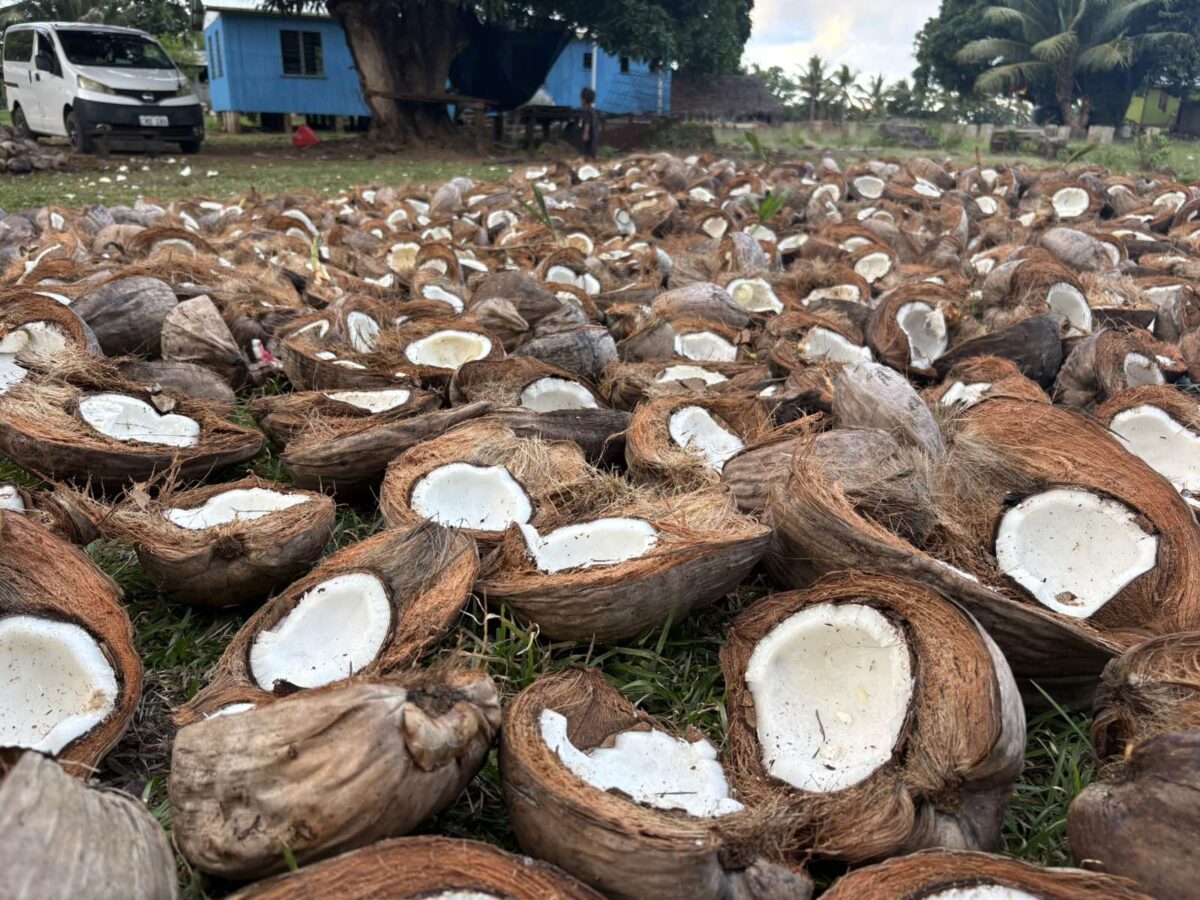
For generations, the copra industry has been one of the economic foundations of Lakeba and the wider Lau Group, providing livelihoods for countless families while shaping the social and cultural identity of island communities. Long before modern shipping and technology connected the islands to larger markets, coconuts were a valuable resource that enabled communities to generate income, support household needs, and contribute to the development of the region.
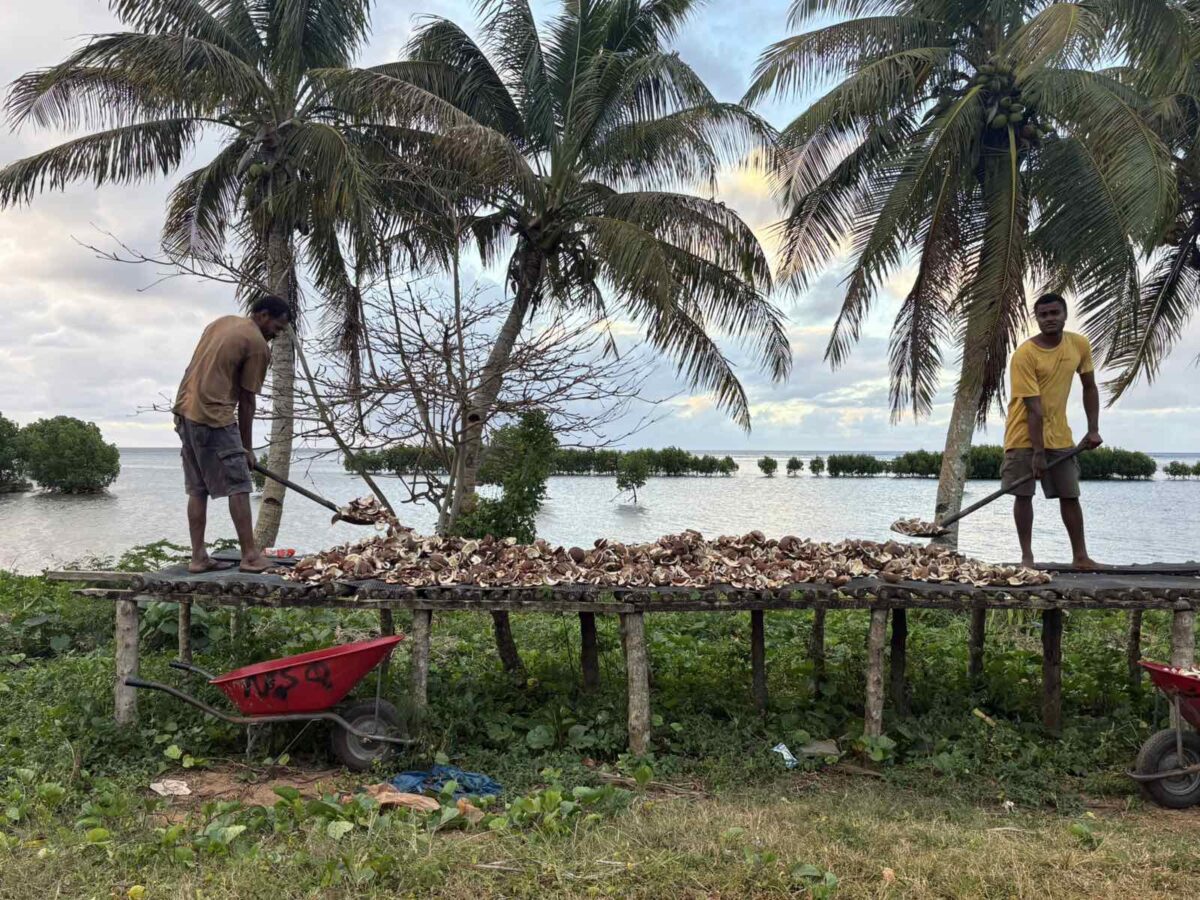
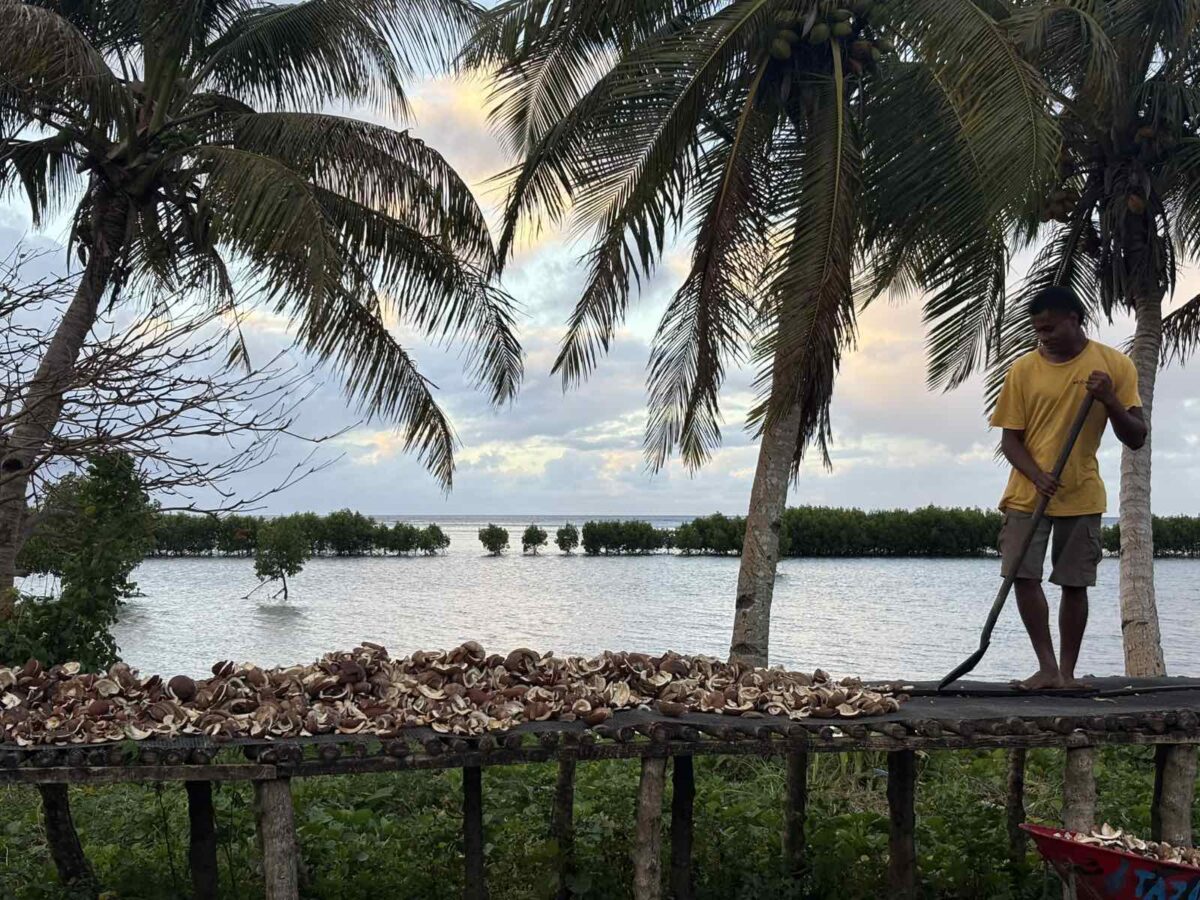
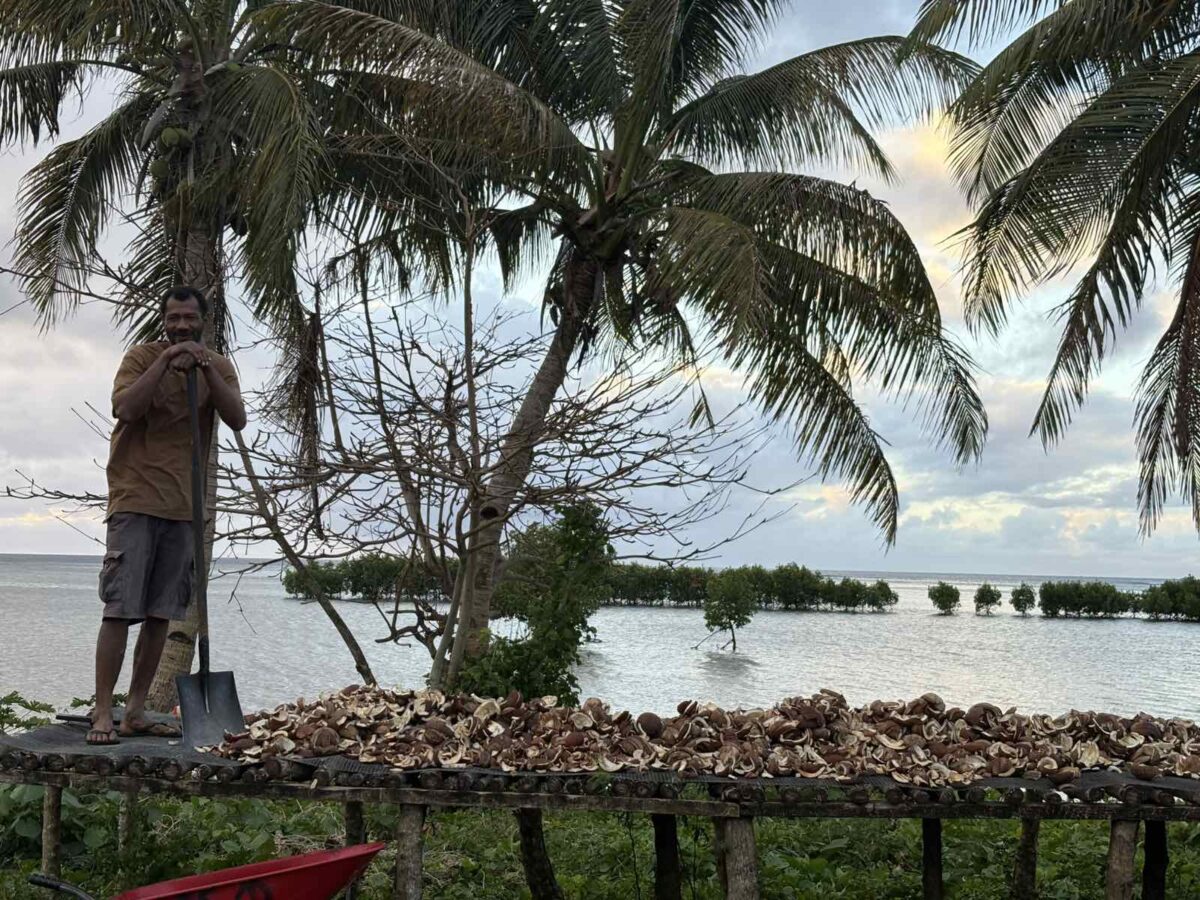
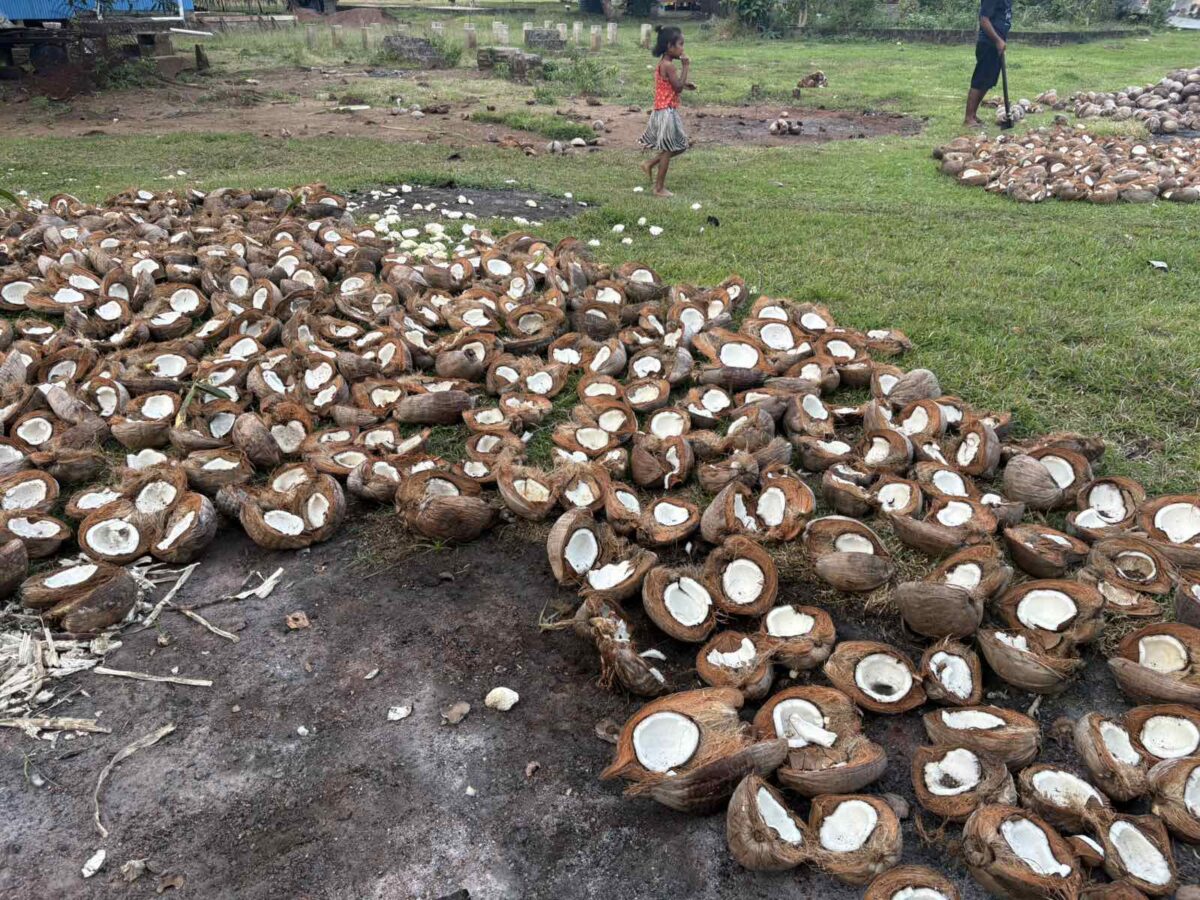
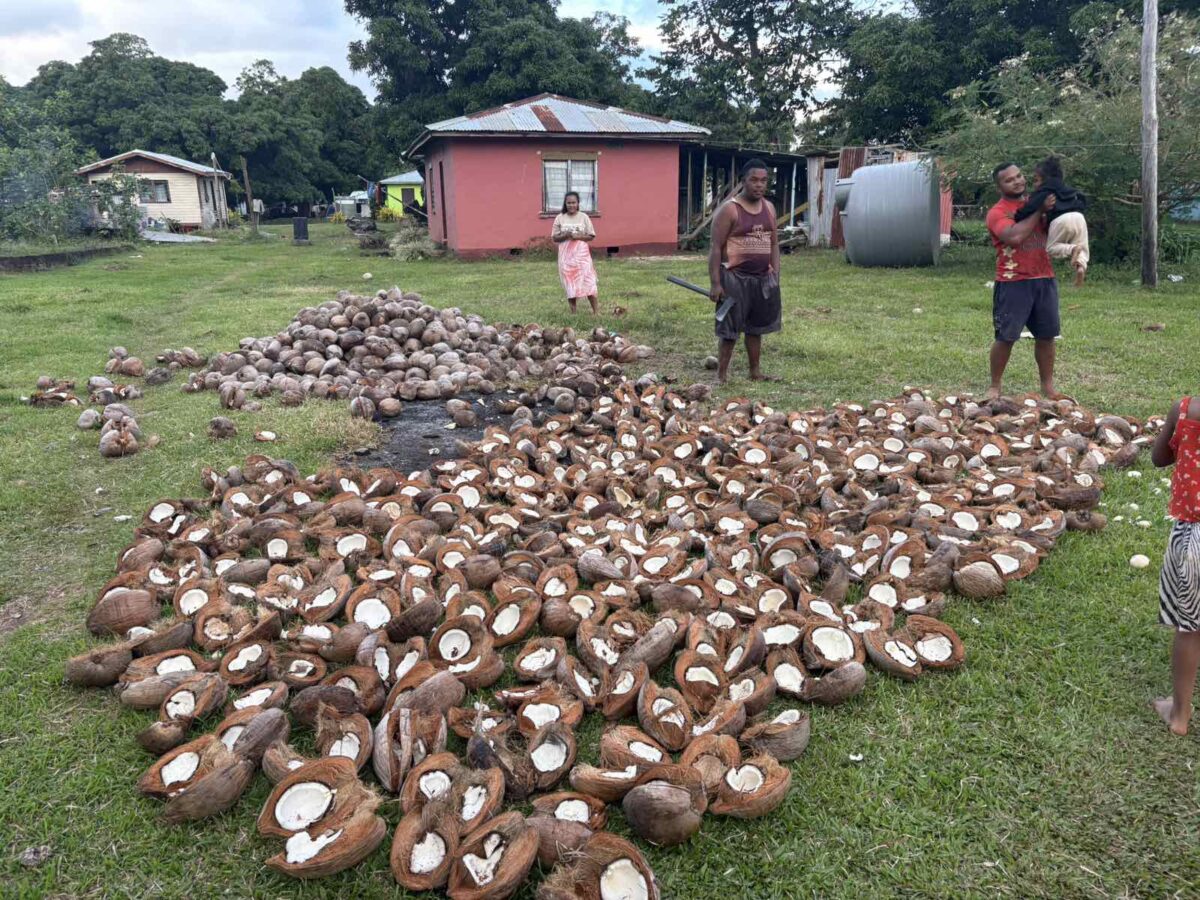
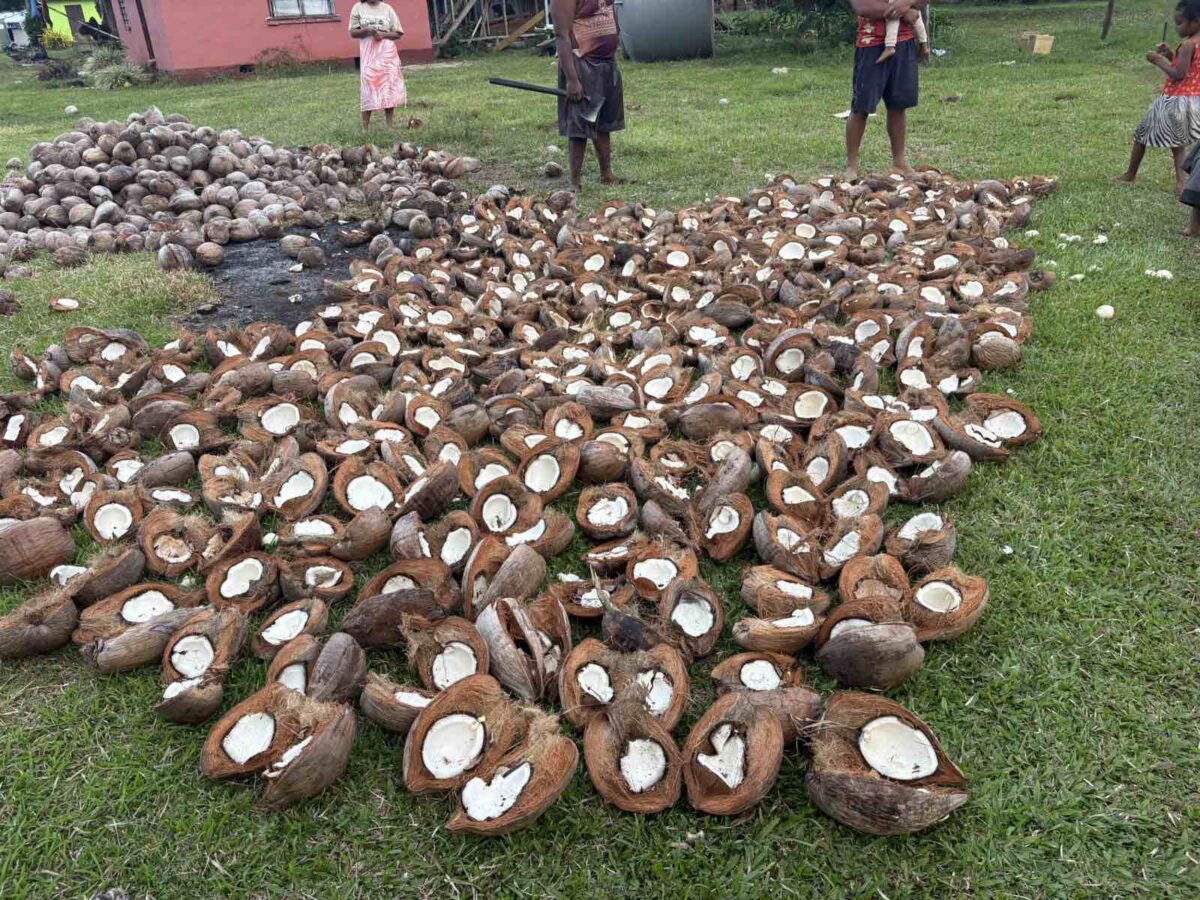
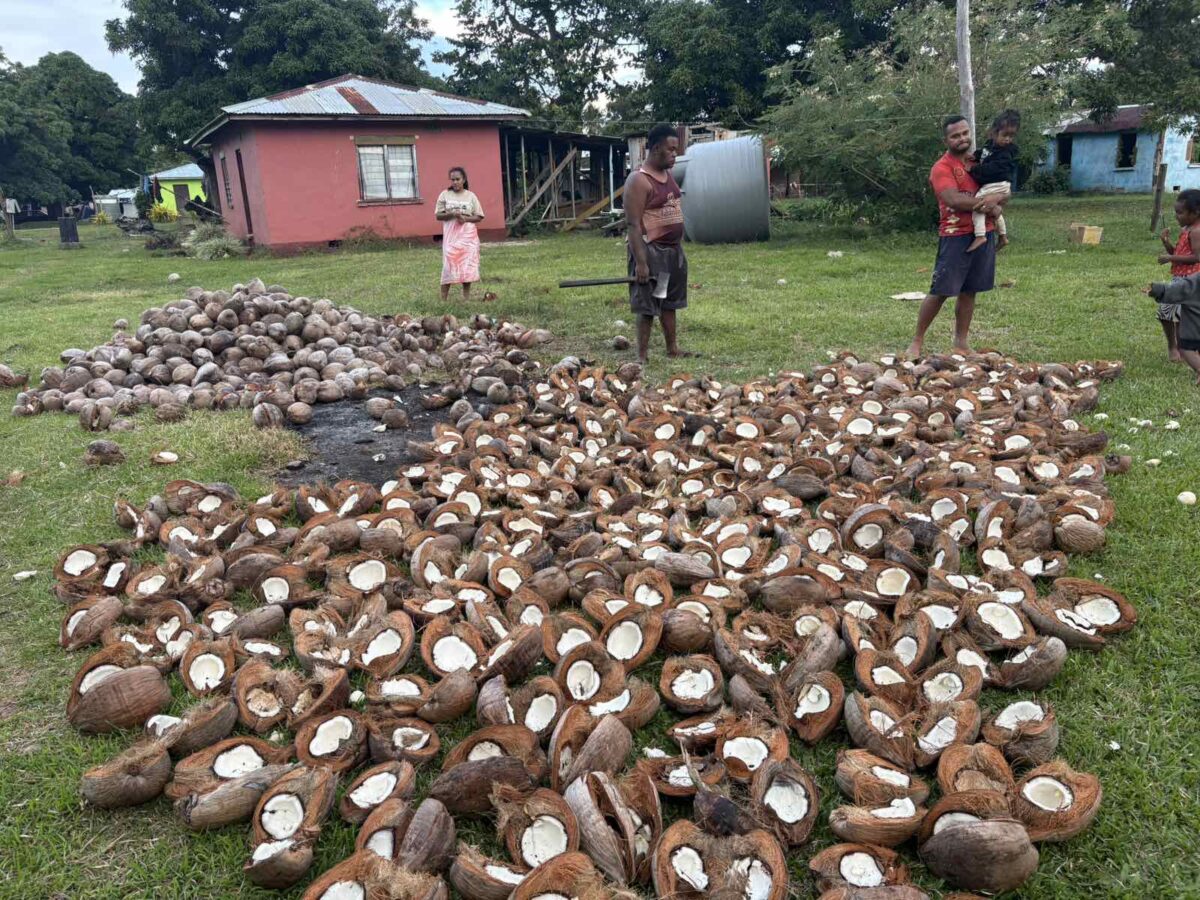
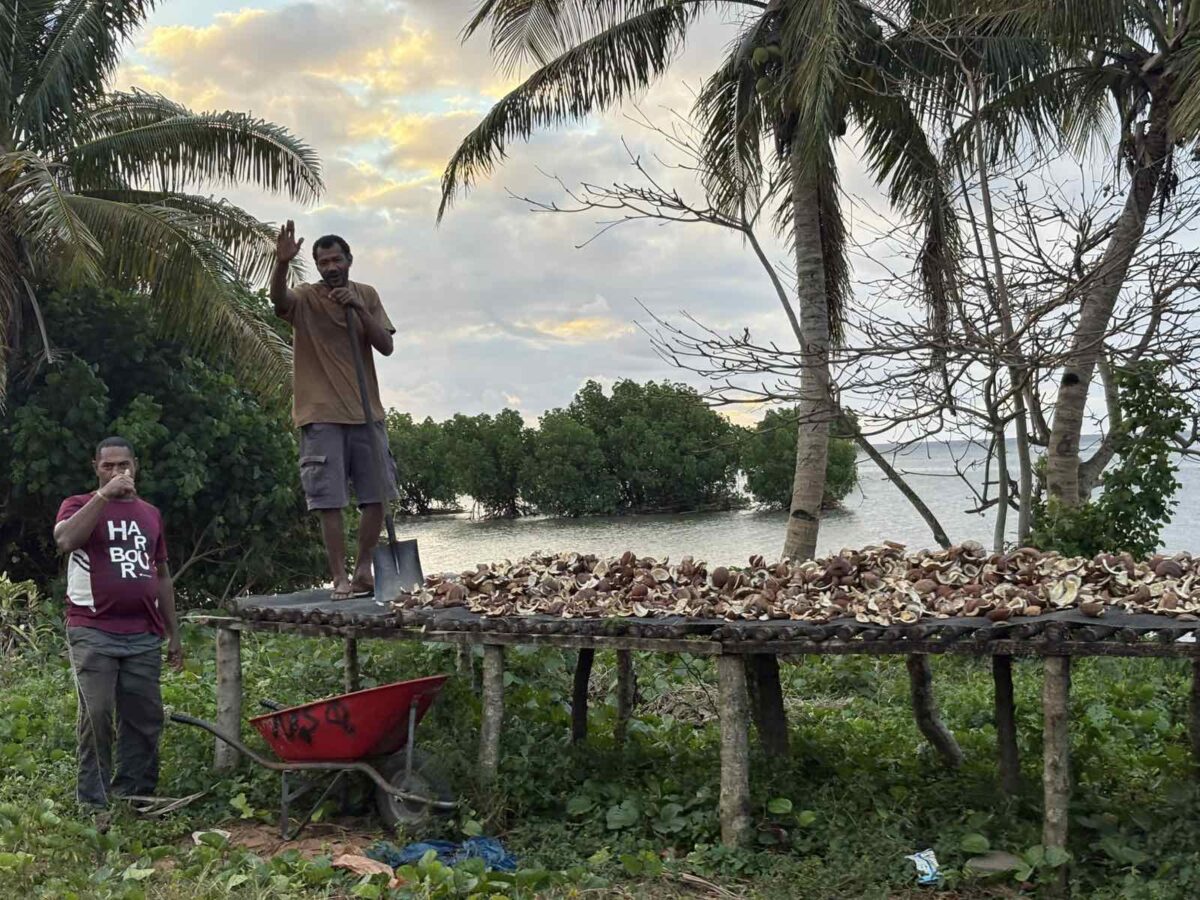
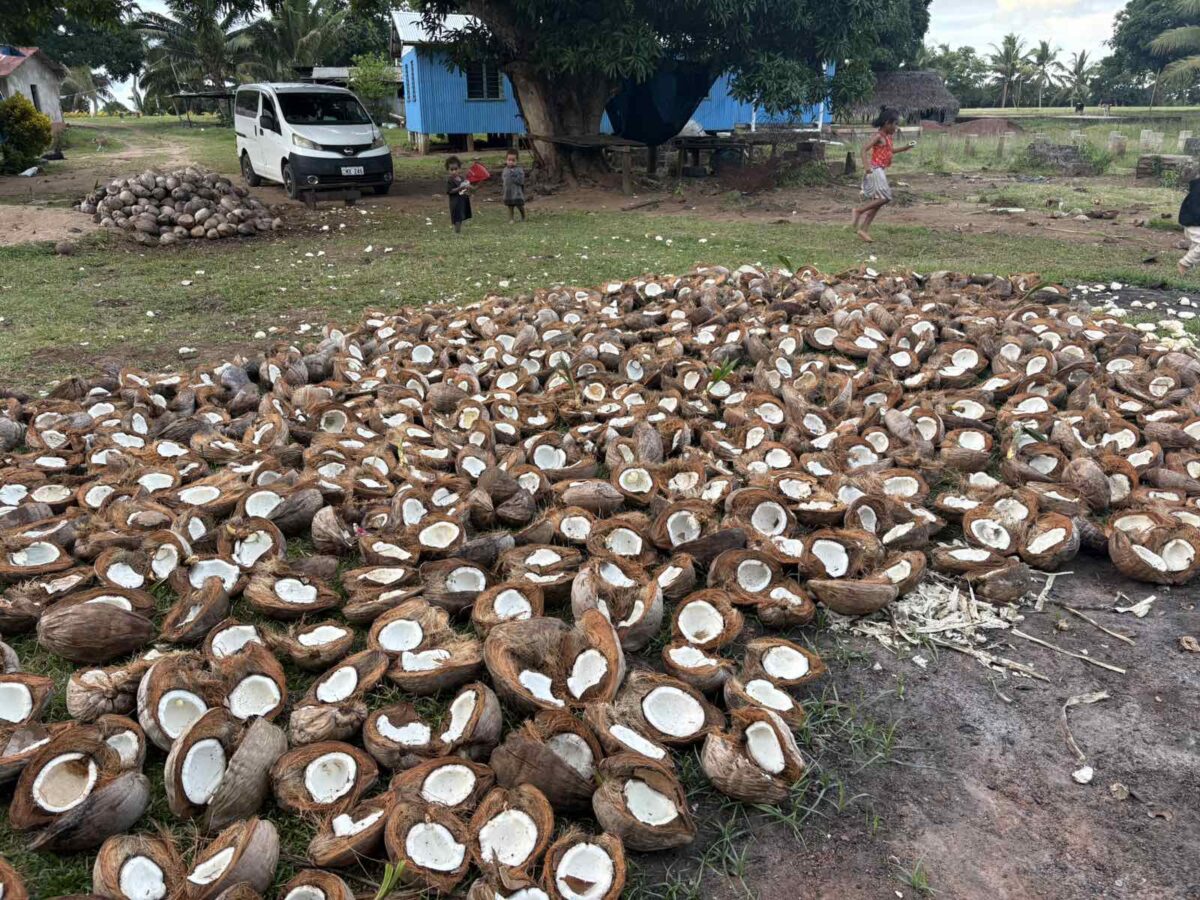
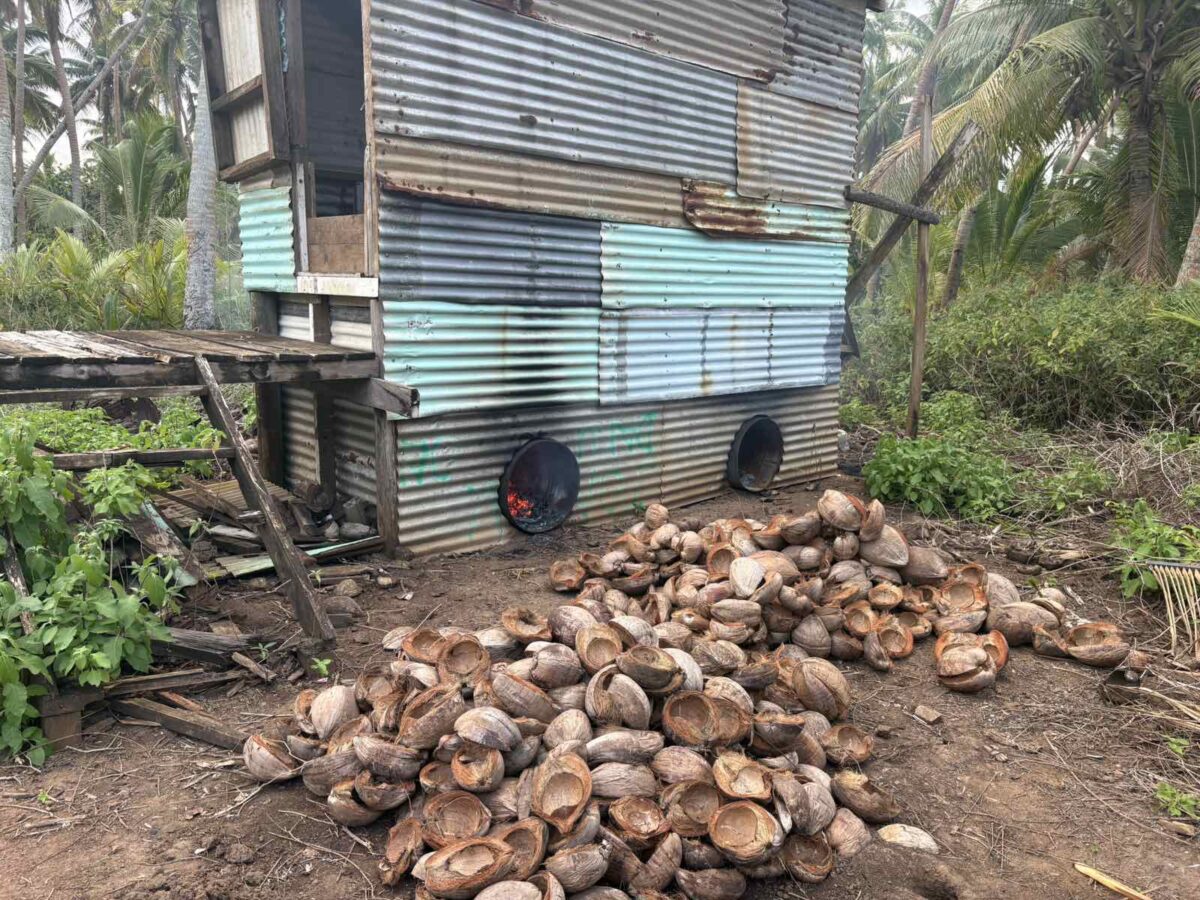
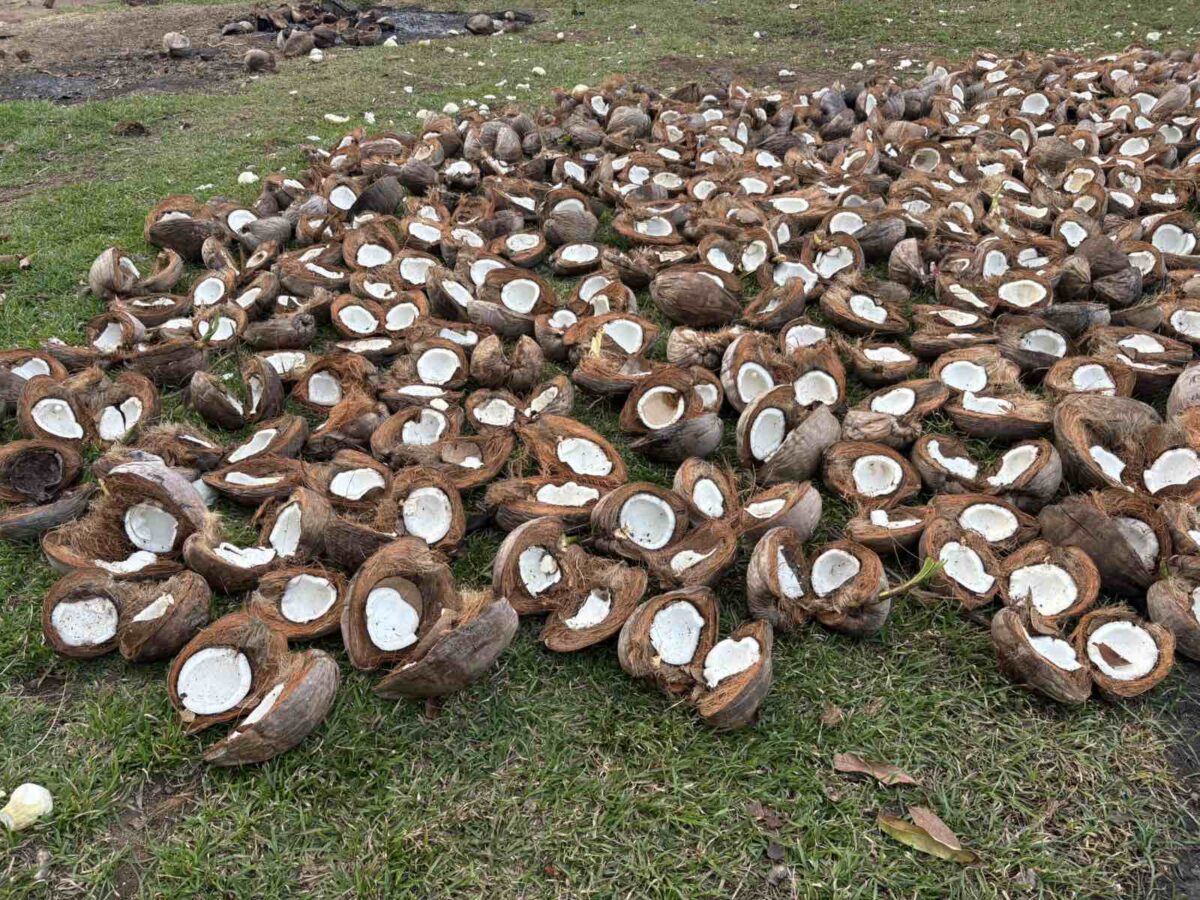
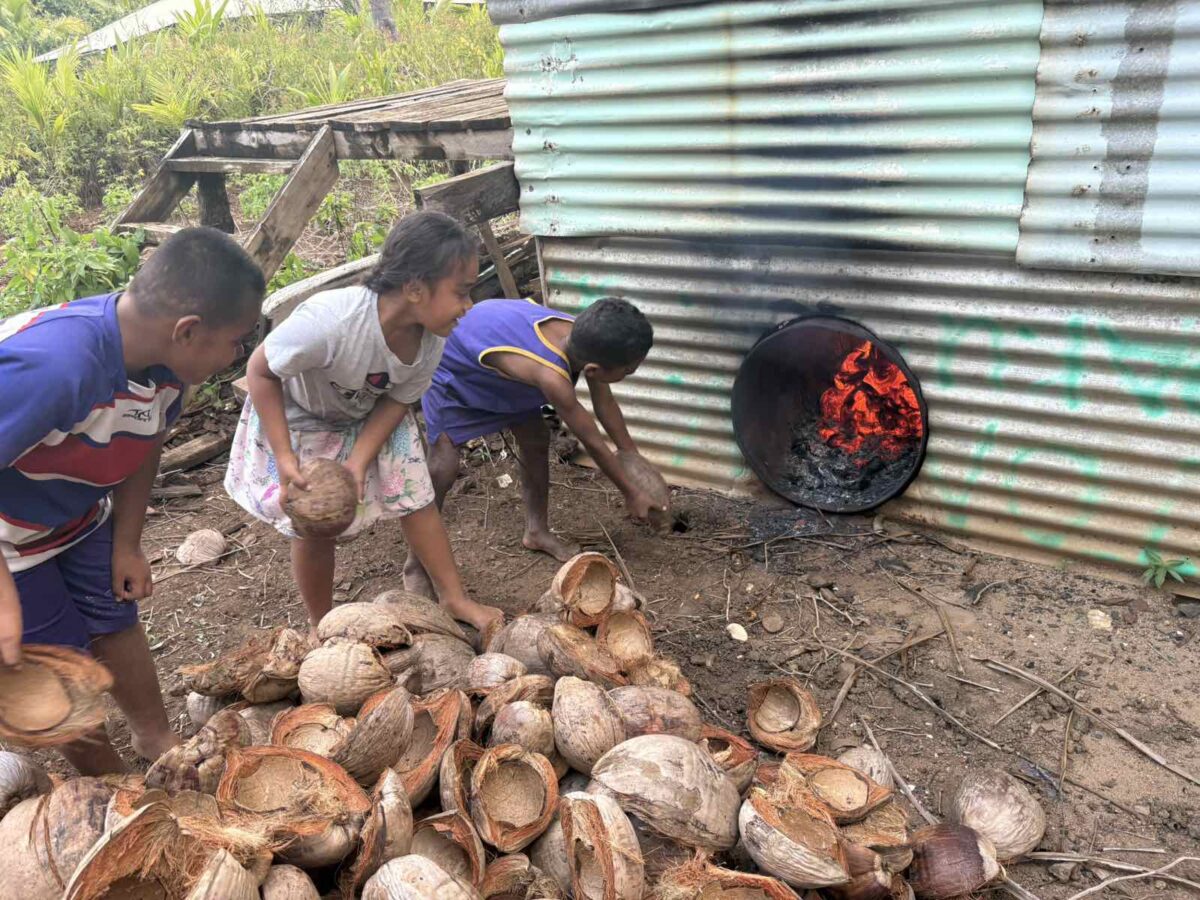
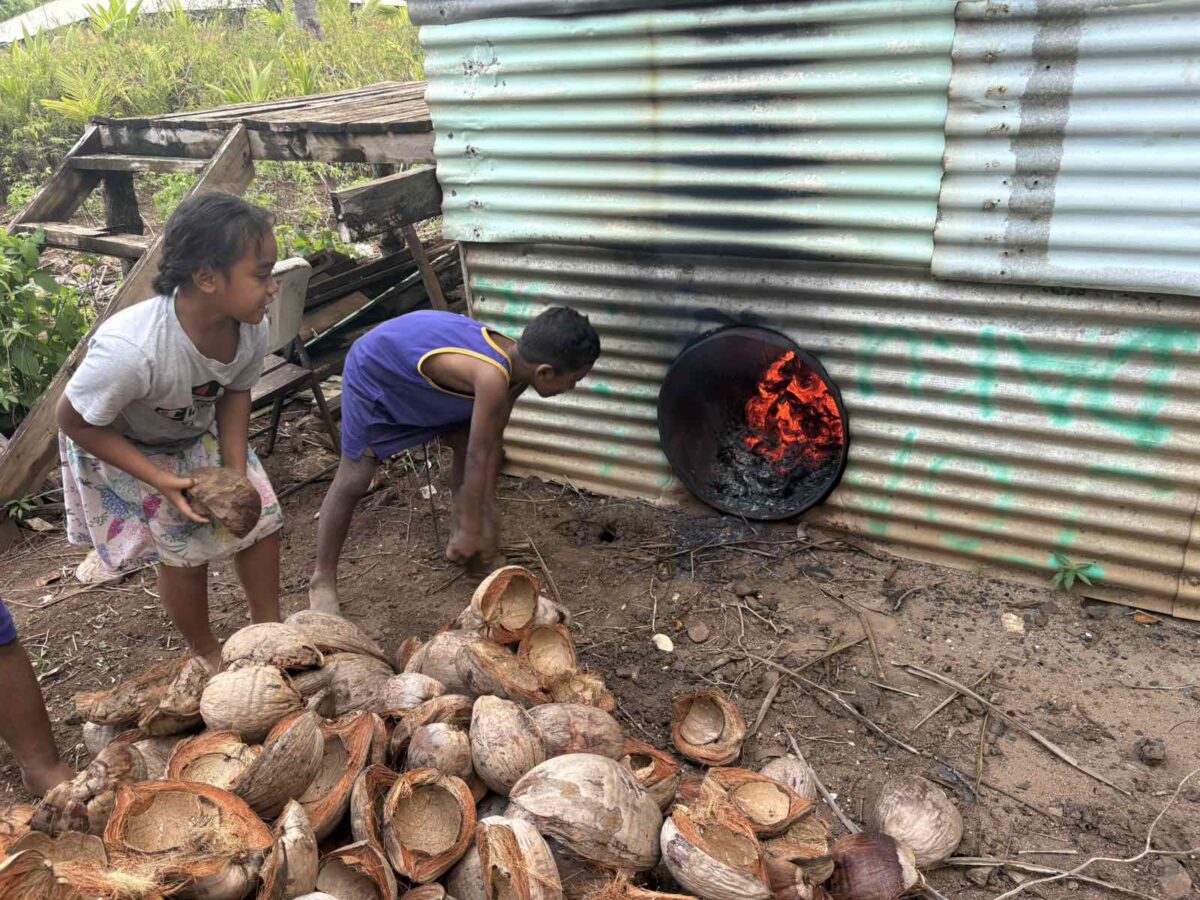
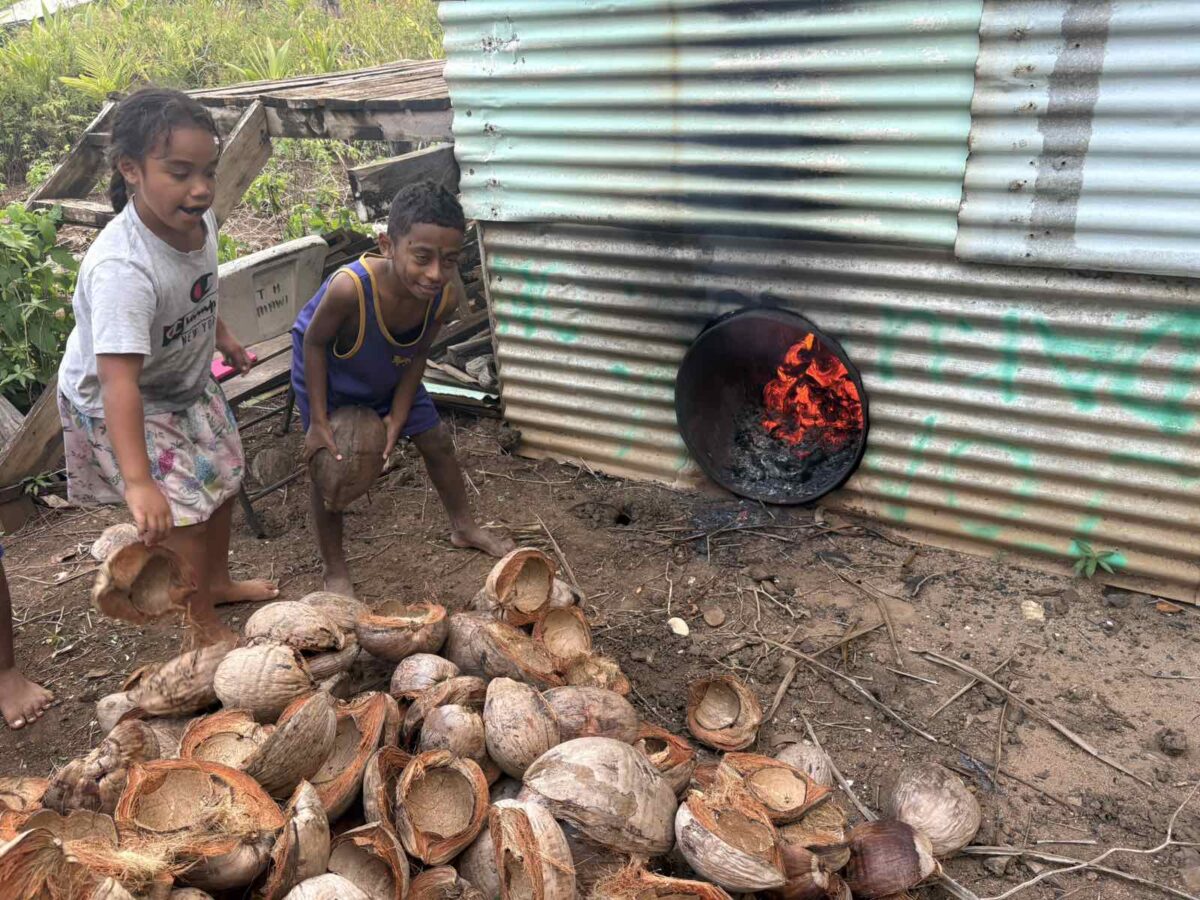
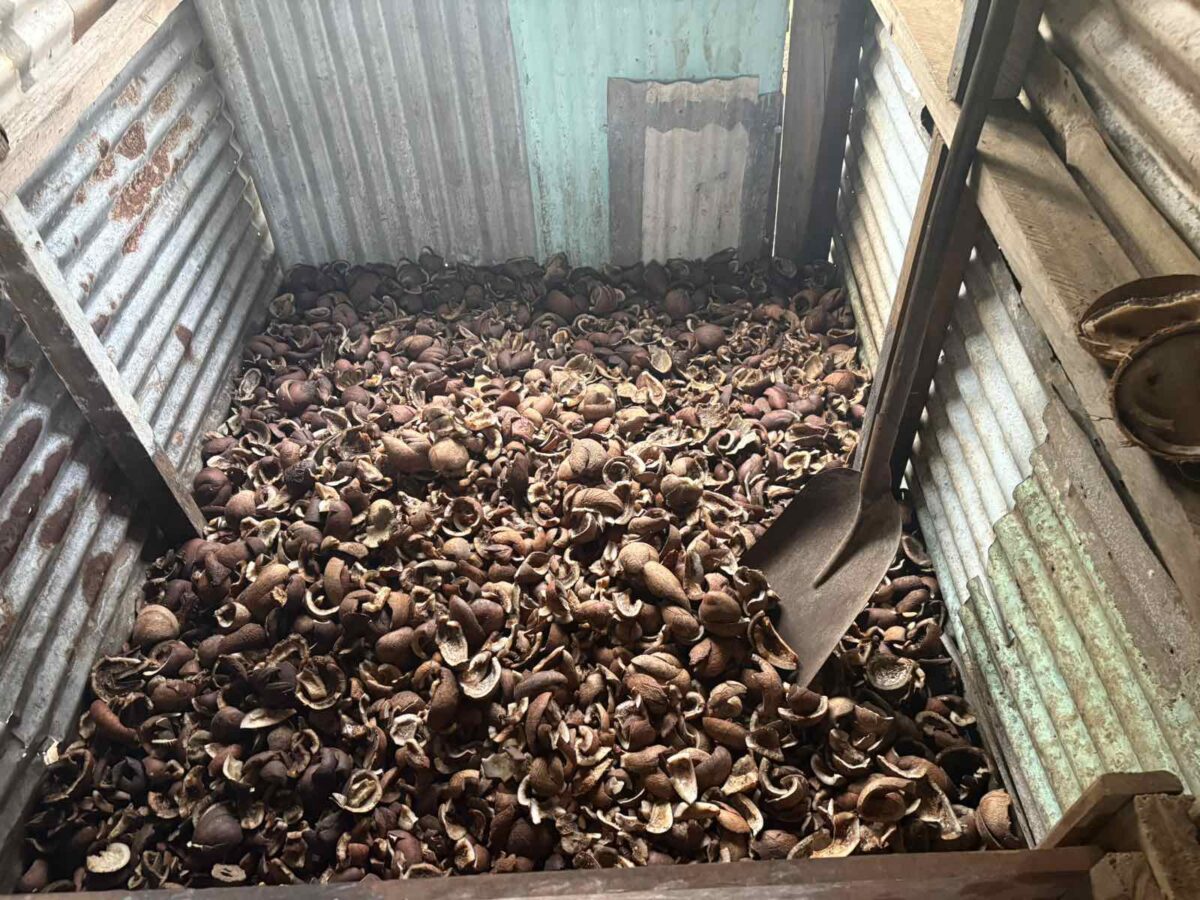
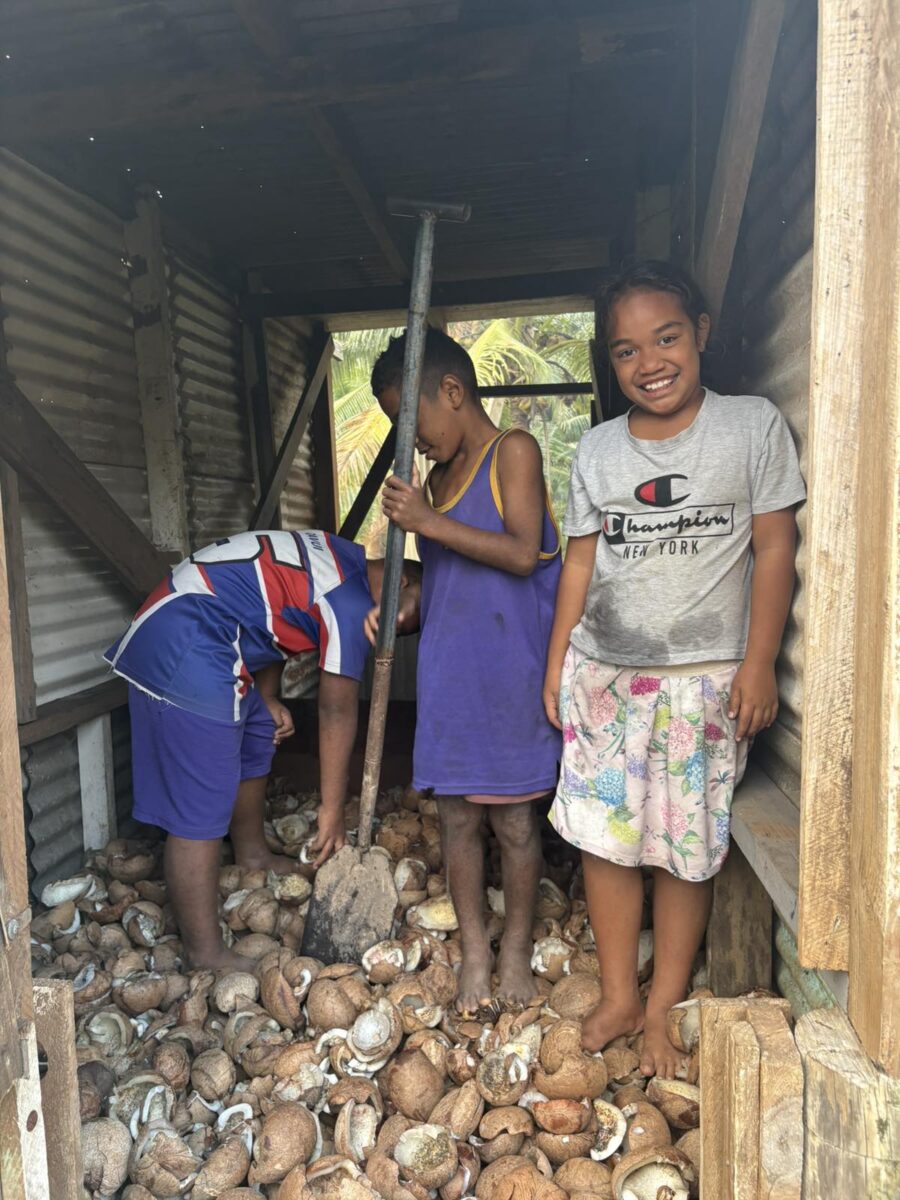
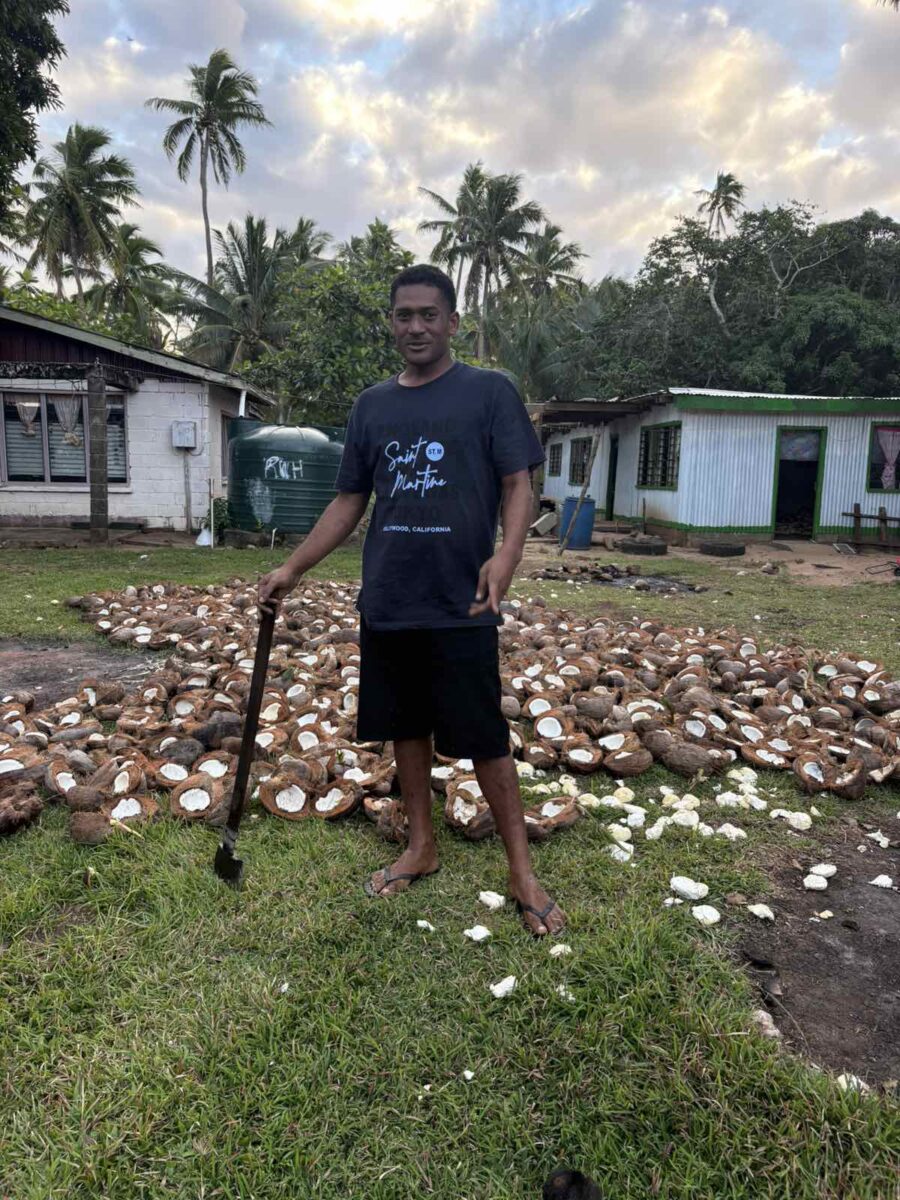
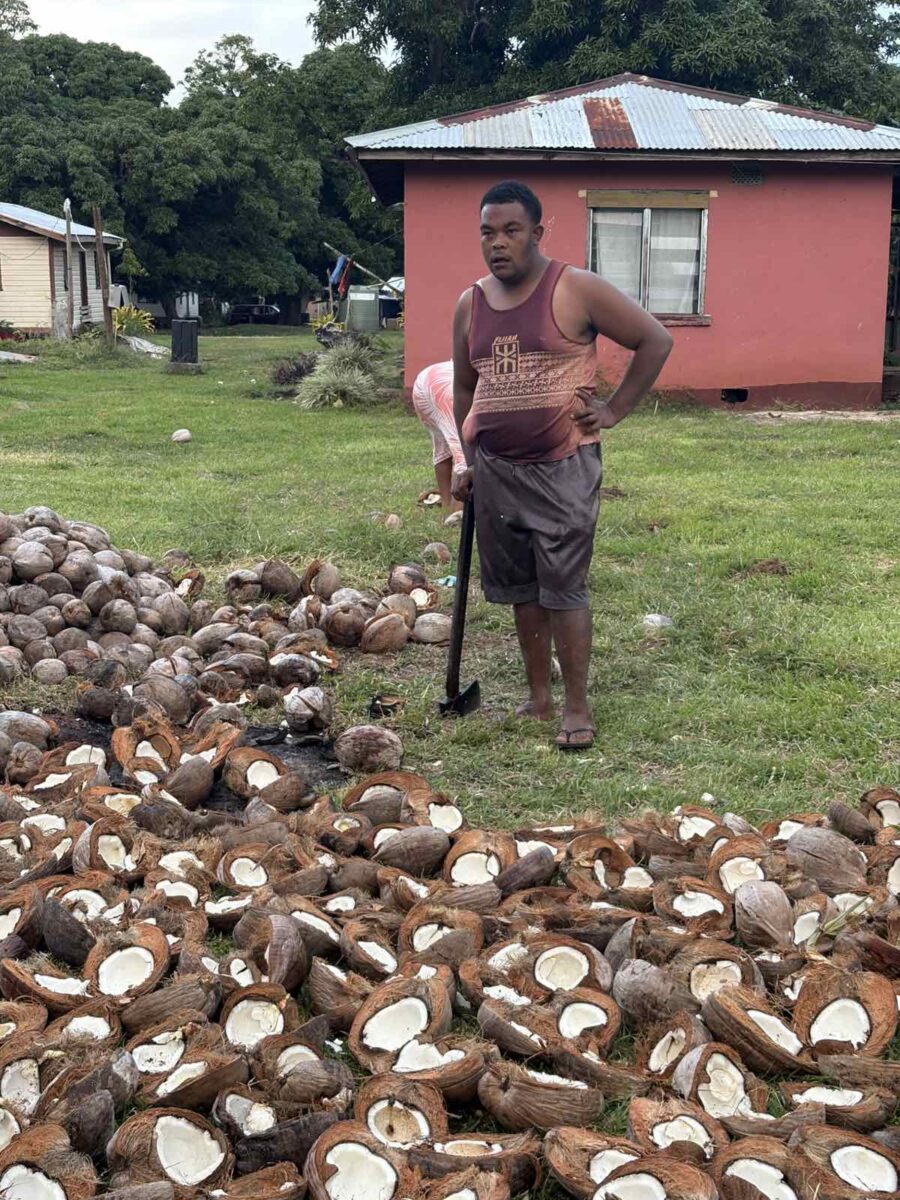
In its early years, copra production relied entirely on manual labour. Families harvested mature coconuts, removed the husks, split the nuts, and carefully dried the coconut meat using traditional copra dryers or smoke houses. The process demanded patience, discipline, and careful attention to weather conditions. Every stage required teamwork, with men, women, and young people each playing an important role in ensuring the quality of the final product.
Over the decades, the industry has evolved significantly. Improvements in transportation, processing techniques, and market access have strengthened the sector, allowing producers throughout the Lau Group to supply higher-quality copra to both domestic and international markets. While production levels have changed over time due to economic shifts and changing lifestyles, copra continues to remain an important source of income for many rural households and stands as a symbol of the resilience of the people of Lau.
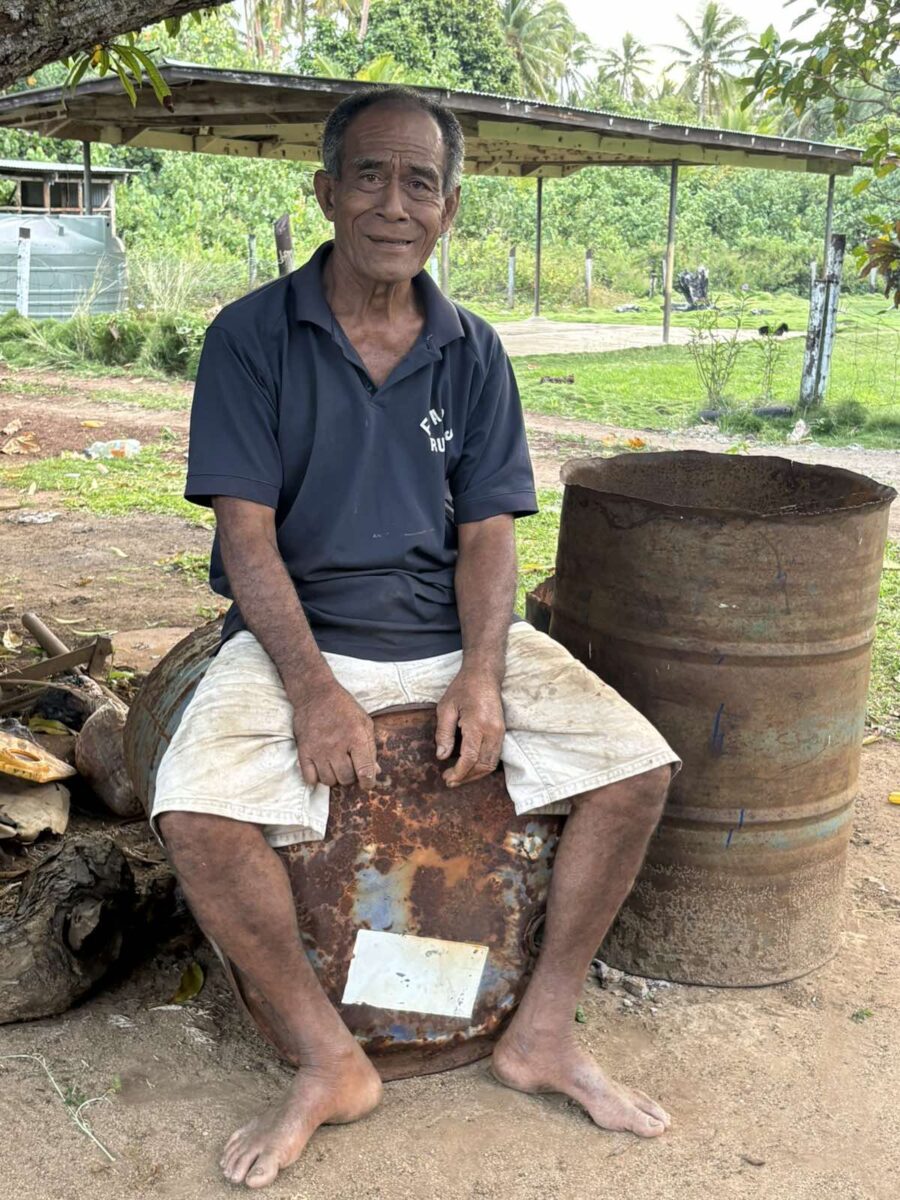
Beyond its economic contribution, the copra industry has always been a classroom without walls. For many elders in Lakeba and throughout the Lau islands, the copra drying shed was more than a workplace—it was a place where life’s most important lessons were passed from one generation to the next.
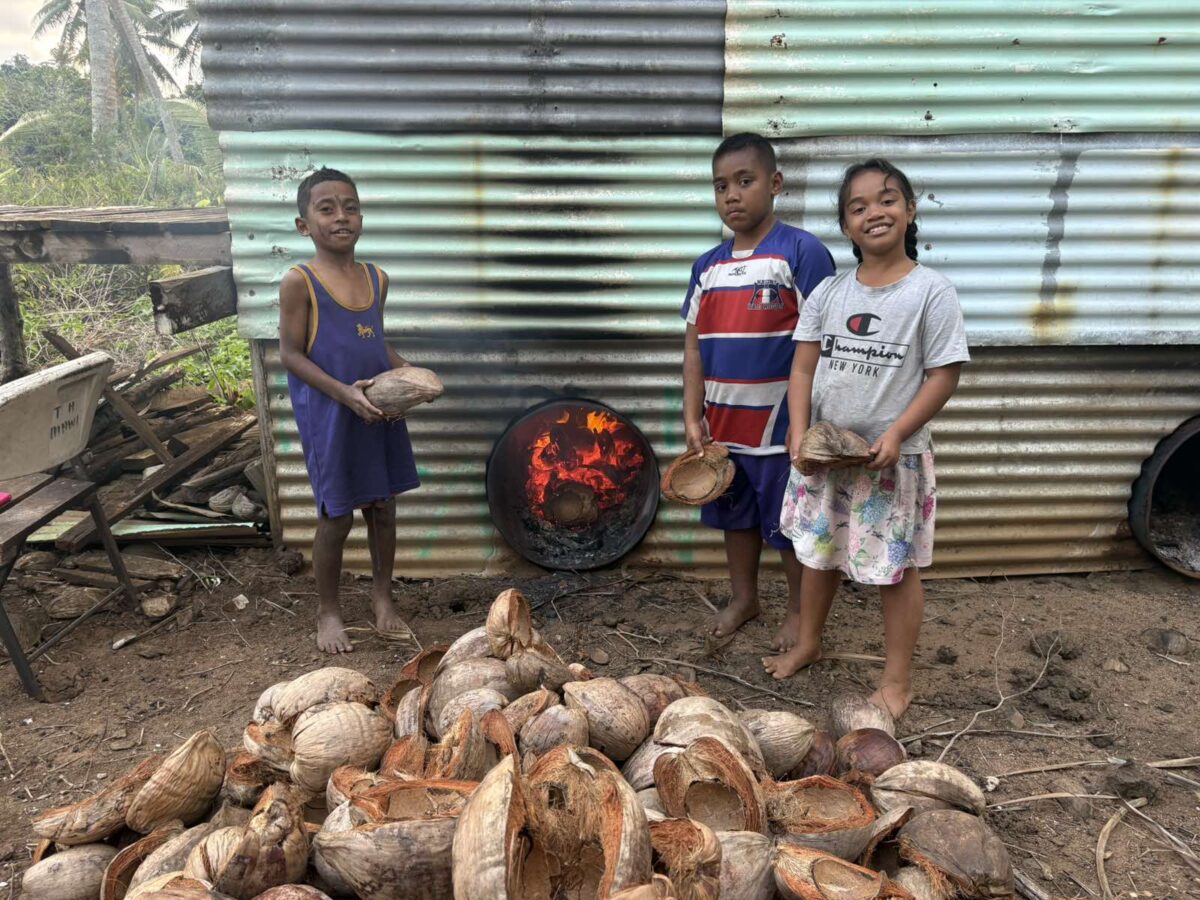
As families gathered around the drying sheds, elders shared stories of their ancestors, explained the importance of respecting the land and sea, and taught young people the value of hard work, patience, humility, and perseverance. Children learned that every coconut collected, every shell split, and every tray carefully arranged represented honest effort and responsibility. The long hours spent tending the drying fires reminded them that success rarely comes quickly but is achieved through consistency, commitment, and determination.
These informal lessons helped shape generations of hardworking islanders who understood that individual effort contributes to the wellbeing of the entire family and community. The values learned around the copra dryers extended beyond agriculture—they became guiding principles for leadership, education, family life, and community service.
Today, as the Lau Group continues to embrace new opportunities for economic development, the story of the copra industry remains an important reminder of the resilience and determination that have sustained island communities for generations. It reflects not only an industry that has supported livelihoods but also a living heritage that continues to inspire younger generations to honour the sacrifices of their elders while building a stronger future.
The copra industry of Lakeba and the wider Lau Group is therefore more than an agricultural enterprise. It is a testament to the enduring spirit of the people of Lau—a story of resilience, unity, hard work, and perseverance that continues to define the identity and strength of its communities.